What to Combine MSM (Methylsulfonylmethane) With
MSM is rarely taken on its own: it is added to joint complexes and combined with sports nutrition. The editorial team examined which combinations have a scientific basis, which are only theoretically logical, and which are better avoided.
Principles of combining MSM with other supplements
MSM is rarely the only supplement in the diet of a person who trains. It is combined with joint products, proteins, vitamins, and omega-3. For such combinations to make sense, the editorial team suggests following a few basic principles.
The first principle is a clear goal. MSM has been studied for two main purposes: reducing joint pain in osteoarthritis and reducing pain and discomfort after intense exercise. The goal determines which partners will be appropriate.
The second principle is priority for evidence-based combinations. A studied combination is MSM with glucosamine (Usha and Naidu, 2004). Most other combinations have only a theoretical rationale.
The third principle is simplicity. The fewer new supplements at once, the easier it is to assess the effect and the cause of possible side reactions. New components should be added one at a time with an interval of a few weeks.
MSM and glucosamine: the best-studied pair
In the randomized, placebo-controlled study by Usha and Naidu (2004), patients with knee osteoarthritis received 1.5 g of glucosamine, 1.5 g of MSM, their combination, or placebo for 12 weeks. Each component individually reduced pain and inflammation compared with placebo, and the combination gave a more pronounced and faster effect.
This study became the basis for numerous "glucosamine + MSM" complexes. However, it was small and was conducted on patients with diagnosed osteoarthritis, not on young athletes.
Regarding glucosamine itself, the evidence base is contradictory: in the large GAIT study (Clegg et al., 2006), glucosamine, chondroitin, and their combination generally did not outperform placebo. Therefore expectations of the combination should be moderate.
People with an allergy to shellfish should pay attention to the source of glucosamine, and those who take anticoagulants should discuss the combination with a doctor, since both supplements are discussed in the context of possible interactions.
| Combination | Rationale | Level of evidence |
|---|---|---|
| MSM + glucosamine | RCT in osteoarthritis | Moderate (one small RCT) |
| MSM + chondroitin | Logic of "joint" complexes | Low |
| MSM + hyaluronic acid | Different links of connective tissue | Low |
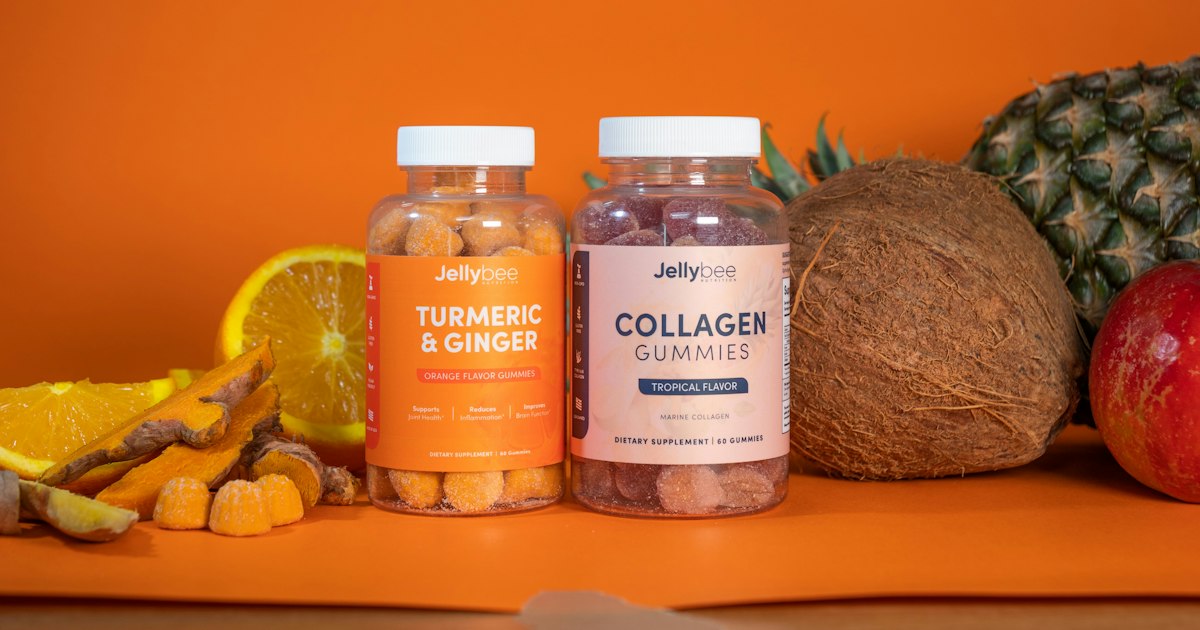
| MSM + collagen + vitamin C | Structural proteins and a cofactor of collagen synthesis | Theoretical |
| MSM + omega-3 | Anti-inflammatory action of omega-3 | Theoretical |

Collagen, hyaluronic acid, and vitamin C
Collagen and hyaluronic acid are popular partners of MSM in products for joints, skin, and ligaments. The biological logic is that they affect different components of connective tissue: collagen affects the protein framework, and hyaluronic acid the hydrated matrix.
Vitamin C is a mandatory cofactor of the enzymes that ensure the stability of collagen fibers. It is often added to such formulas, and this is biochemically justified, although people with a normal diet get enough vitamin C from food.
There are no direct studies that would confirm a synergy of MSM with collagen or hyaluronic acid. Therefore the combination should be regarded as rational but unproven.
Practical advice: if you already take collagen powder, MSM can be added to it in the same intake; both powders dissolve well, and this simplifies the regimen.
Sports nutrition: protein, creatine, omega-3
MSM has no known interactions with basic sports supplements: protein, creatine, amino acids, caffeine. It can be taken on the same day and even in the same shake, if the taste does not interfere.
It is important to understand that these supplements solve different tasks. Creatine increases strength performance and has a strong evidence base, protein provides material for muscle recovery, and MSM at best slightly reduces pain. Therefore MSM should not be regarded as a replacement for any of them.
Omega-3 fatty acids are another frequent partner. They are beneficial for people who rarely eat fish and have their own evidence base regarding inflammatory processes. Simultaneous intake of MSM and high doses of omega-3 should be agreed with a doctor for people on anticoagulants.
Caffeine and stimulants can worsen sleep problems. If you notice a worsening of sleep, take MSM in the morning and pre-workout complexes not late in the evening, to distinguish the possible causes.
- Protein, creatine: can be combined without restrictions.
- Omega-3: appropriate, with caution with anticoagulants.
- Stimulants: watch your sleep.
What to avoid and how to build a regimen
It is undesirable to combine MSM with several other supplements that can also affect blood clotting (ginkgo, high doses of vitamin E, garlic extracts), especially against the background of medications. Individually, each of them may be safe, but together they create uncertainty.
It is also worth avoiding duplication: MSM is often part of joint complexes, collagen products, and even some proteins. Before buying separate MSM, check the composition of what you are already taking.
For the "joints" goal, a reasonable regimen looks like this: MSM at a dose close to those studied, plus, if desired, glucosamine as the best-studied partner, with assessment of the effect after 8–12 weeks. Other components are added only for a specific need.
For the "recovery" goal, the foundation remains sleep, sufficient protein and energy intake, and sensible planning of loads. MSM can become an addition to this foundation during periods of intense training or before long competitions.
Editorial conclusions
The best-studied combination is MSM with glucosamine, for which there is a positive, though small, RCT in osteoarthritis. Combinations with collagen, hyaluronic acid, vitamin C, and omega-3 are biologically justified but not proven by direct studies.
MSM is compatible with basic sports supplements — protein, creatine, amino acids — and does not replace any of them.
Build your regimen from the goal, introduce supplements gradually, avoid duplication, and discuss combinations with a doctor if you take medications that affect blood clotting.
We also recommend reading "What to Combine Hyaluronic Acid With," "How to Take MSM," and "Who Should Not Take MSM."
References
- Usha PR, Naidu MU. Randomised, double-blind, parallel, placebo-controlled study of oral glucosamine, methylsulfonylmethane and their combination in osteoarthritis. Clin Drug Investig. 2004;24(6):353–363.
- Clegg DO, Reda DJ, Harris CL, et al. Glucosamine, chondroitin sulfate, and the two in combination for painful knee osteoarthritis. N Engl J Med. 2006;354(8):795–808.
- Butawan M, Benjamin RL, Bloomer RJ. Methylsulfonylmethane: applications and safety of a novel dietary supplement. Nutrients. 2017;9(3):290.
- Kim LS, Axelrod LJ, Howard P, et al. Efficacy of methylsulfonylmethane (MSM) in osteoarthritis pain of the knee: a pilot clinical trial. Osteoarthritis Cartilage. 2006;14(3):286–294.
- Withee ED, Tippens KM, Dehen R, et al. Effects of methylsulfonylmethane (MSM) on exercise-induced oxidative stress, muscle damage, and pain following a half-marathon: a double-blind, randomized, placebo-controlled trial. J Int Soc Sports Nutr. 2017;14:24.
- Oe M, Tashiro T, Yoshida H, et al. Oral hyaluronan relieves knee pain: a review. Nutr J. 2016;15:11.
Andriy Melnyk
A strength-sports coach and author of programs for beginner and intermediate levels. Writes about training planning.