MSM (Methylsulfonylmethane): Forms and Which to Choose

MSM is sold in the most varied formats, from pure crystals to multi-component complexes and creams. The editorial team compared the main forms and explains which one to choose depending on dose, budget, and personal preferences.
The main forms of MSM
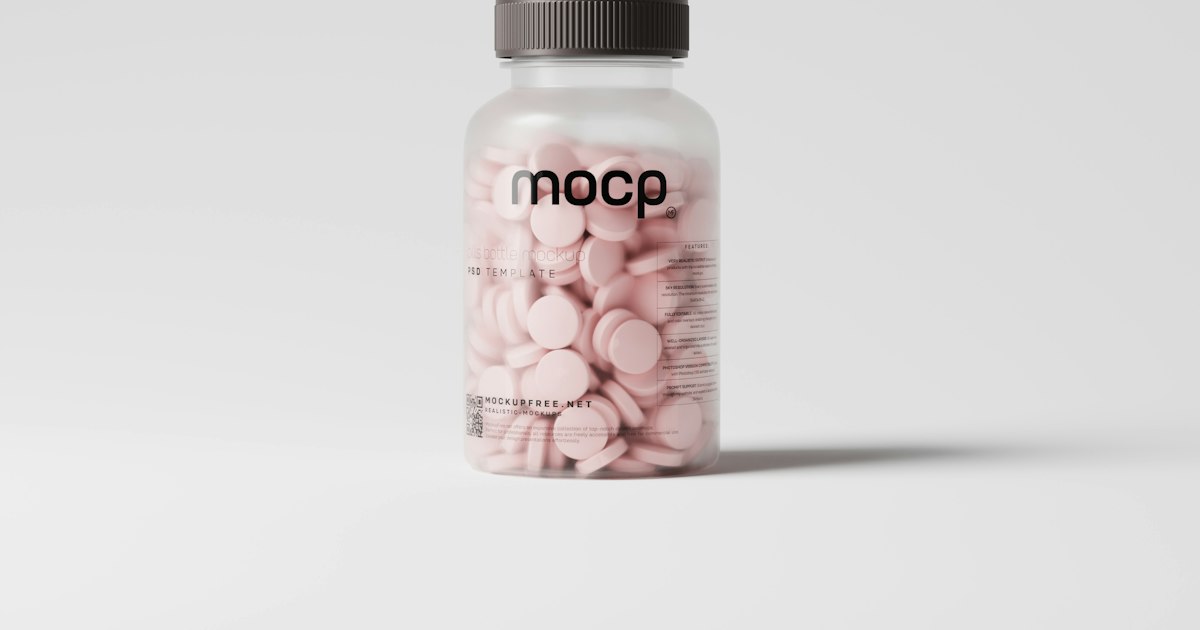
MSM is a stable crystalline powder, highly soluble in water, so technologically it is easy to turn into any popular form. On the shelves of sports nutrition stores, powder, capsules, tablets, joint complexes, and products for external use are most often found.
The active substance in all these forms is the same, and there is no convincing data that any form is absorbed significantly better than another. For a small water-soluble molecule such as MSM, this is expected. Therefore the choice of form is determined primarily by convenience, the required dose, and price.
However, the form significantly affects practical things: how many capsules you have to swallow, how precisely you can dose, whether there are unnecessary excipients, and how much a gram of the active substance costs. It is precisely these parameters that the editorial team examines below.
Separately, it is worth paying attention to the quality of the raw material itself, since it is equally important for any form. We will discuss purification and labeling in a separate section.
| Form | Advantages | Disadvantages |
|---|---|---|
| Powder / crystals | Low price per gram, flexible dosing, minimum excipients | Slightly bitter taste, requires a measuring spoon or scales |
| Capsules | Tasteless, convenient to carry | Many capsules for doses of 3–6 g, higher price |
| Tablets | Higher dose per unit than in a capsule | Large size, fillers and binders |
| Complexes | Several ingredients in one product | Often low MSM dose, difficult to control |
| Creams, gels | Topical application | Little evidence of effectiveness |
Powder: for those who take large doses
The powder form is the most advantageous in terms of the ratio of price to amount of active substance. For doses of 3–6 g per day, which were used in osteoarthritis studies, powder is effectively the most rational option.
The main disadvantage is taste. MSM has a slightly bitter aftertaste that becomes more noticeable in a small amount of liquid. It is better to dissolve the powder in a glass of water or juice, or add it to a shake, and take it with food.
The accuracy of dosing with a measuring spoon is limited, since the bulk density of crystals from different manufacturers differs. If accuracy is important to you, weigh a portion once on kitchen scales accurate to 0.1 g and remember how much that is in spoons.
Powder should be stored in a tightly closed container in a dry place: it is not as hygroscopic as some other supplements, but moisture can cause clumping.

Capsules and tablets: convenience at a higher price
Capsules usually contain 500–1000 mg of MSM, tablets up to 1000 mg and more. For small doses (1–1.5 g per day) this is a convenient, tasteless format that is easy to carry on the road or to training.
However, for doses of 3 g and above the number of units grows: 6 capsules of 500 mg per day is already a noticeable load, and not everyone finds it convenient to swallow that many. Tablets of 1000 mg reduce the number but are large in size.
Tablets always contain excipients: fillers, binders, coatings. They are usually safe, but people with sensitive digestion or dietary restrictions should read the composition carefully.
The cost of a gram of MSM in capsules and tablets is noticeably higher than in powder. If you plan a 12-week course at a high dose, the difference in budget can turn out to be significant.
Complexes and products for external use
MSM is often part of "joint" complexes together with glucosamine, chondroitin, collagen, and hyaluronic acid. There is a rationale for some combinations: for example, the study by Usha and Naidu (2004) examined the combination of MSM with glucosamine at a dose of 1.5 g each.
However, in many complexes the MSM dose is much lower than in studies, sometimes a few hundred milligrams per serving. In that case MSM plays a marketing rather than a functional role.
Creams and gels with MSM are sold as products for joints and muscles. The evidence base for topical application of MSM is much weaker than for oral, and the effect of such products is often determined by other components (menthol, camphor, non-steroidal anti-inflammatory drugs).
The editorial team's conclusion: if you specifically need a dose of MSM studied in clinical work, it is simpler to use a mono-product and, if necessary, combine it with other supplements separately.
How to assess product quality
MSM raw material is usually obtained by synthesis from DMSO followed by purification. Raw material manufacturers indicate the purification method, distillation or crystallization, and the level of purity. Quality products have a purity close to 99% and higher and are controlled for residual solvents and heavy metals.
Some brands use patented raw material with their own research history; part of the clinical work on MSM was carried out precisely on such raw material. The presence of a well-known raw material brand on the label is an additional, though not mandatory, signal of quality.
Independent certificates (third-party testing, programs such as those that check supplements for the absence of banned substances) are especially important for athletes who undergo doping control.
Finally, price: a product that is too cheap, with no information about the origin of the raw material and no certificates of analysis, is a reason to choose another manufacturer.
- The MSM content per serving is indicated in milligrams, not just in the composition of the mixture.
- The purity and/or brand of the raw material is specified.
- There is a certificate of analysis or independent testing.
- A minimum of unnecessary ingredients.
Editorial conclusions
Different forms of MSM contain the same active substance, and there is no convincing data on the advantage of any form regarding absorption.
Powder is the most advantageous for doses of 3–6 g per day, capsules and tablets are convenient for small doses, complexes often contain too little MSM, and for creams the evidence base is weak.
When choosing a product, pay attention to the dose per serving, the purity of the raw material, and independent certificates, not just the form.
Also read: "How to Take MSM: Dosage, Timing, Duration," "What to Combine MSM With," and "Side Effects of MSM."
References
- Butawan M, Benjamin RL, Bloomer RJ. Methylsulfonylmethane: applications and safety of a novel dietary supplement. Nutrients. 2017;9(3):290.
- Usha PR, Naidu MU. Randomised, double-blind, parallel, placebo-controlled study of oral glucosamine, methylsulfonylmethane and their combination in osteoarthritis. Clin Drug Investig. 2004;24(6):353–363.
- Kim LS, Axelrod LJ, Howard P, et al. Efficacy of methylsulfonylmethane (MSM) in osteoarthritis pain of the knee: a pilot clinical trial. Osteoarthritis Cartilage. 2006;14(3):286–294.
- Debbi EM, Agar G, Fichman G, et al. Efficacy of methylsulfonylmethane supplementation on osteoarthritis of the knee: a randomized controlled study. BMC Complement Altern Med. 2011;11:50.
- Magnuson BA, Appleton J, Ames GB. Pharmacokinetics and distribution of [35S]methylsulfonylmethane following oral administration to rats. J Agric Food Chem. 2007;55(3):1033–1038.
Andriy Melnyk
A strength-sports coach and author of programs for beginner and intermediate levels. Writes about training planning.